Indoors and out
Lighting
Installation
Newcastle
Downlights set out before the plasterer arrives, strip lighting where the fitting never shows, and outdoor schemes specified to survive weather off the North Sea.
Decide the lighting before the plastering
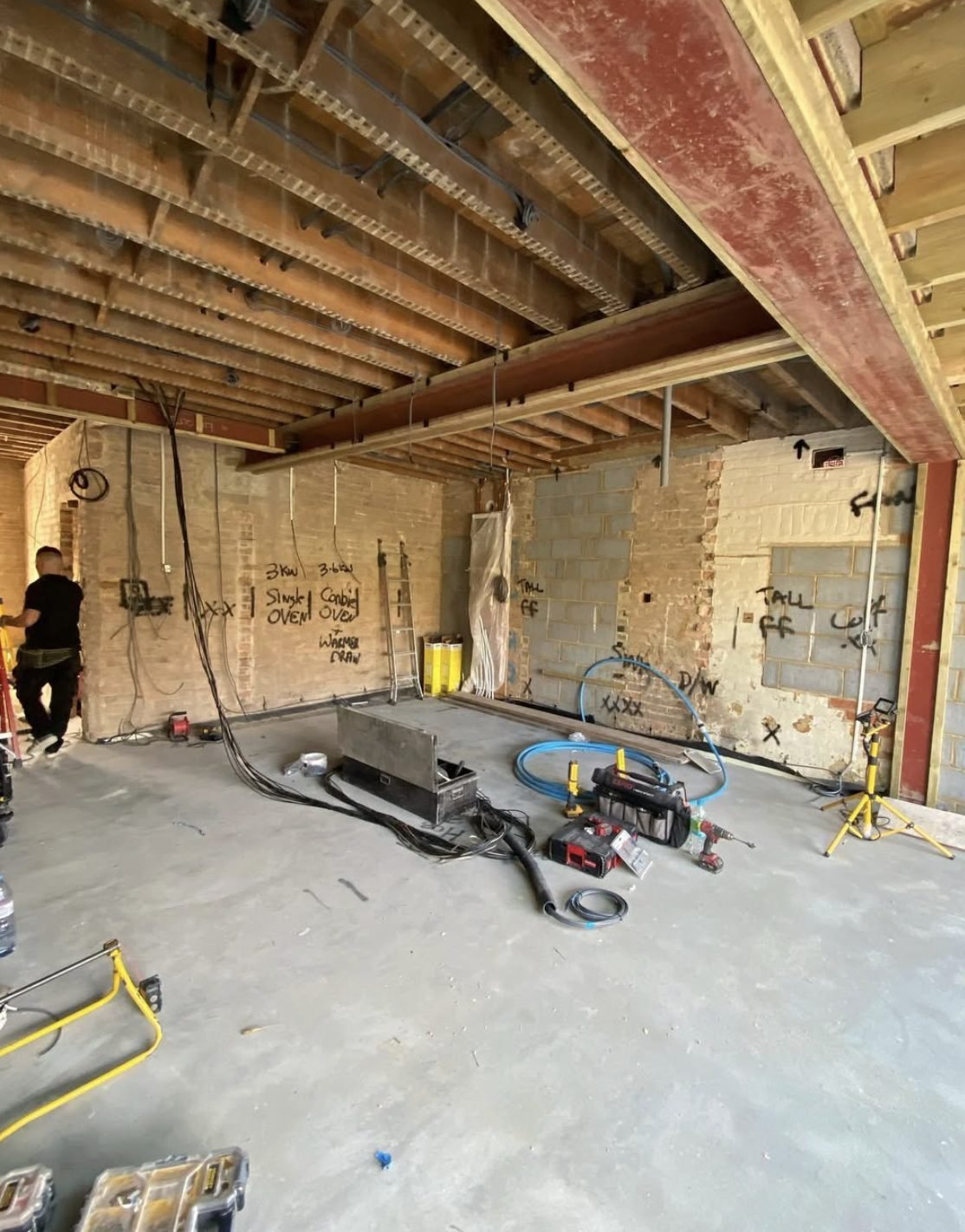
The regret we hear about most is lighting decided after the ceiling went up. Downlight spacing, how many circuits switch separately, which fittings dim and which do not, whether the island gets pendants or spots — every one of those is straightforward while a ceiling is open and awkward afterwards.
It is also considerably cheaper. Putting a second switched circuit in at first fix is a few minutes. Retro-fitting the same thing through a skimmed and painted ceiling is a day of work and a decorator behind it. If any building work is happening, that is the moment for the lighting conversation, not once the scaffolding has gone.
Downlights, done with some thought
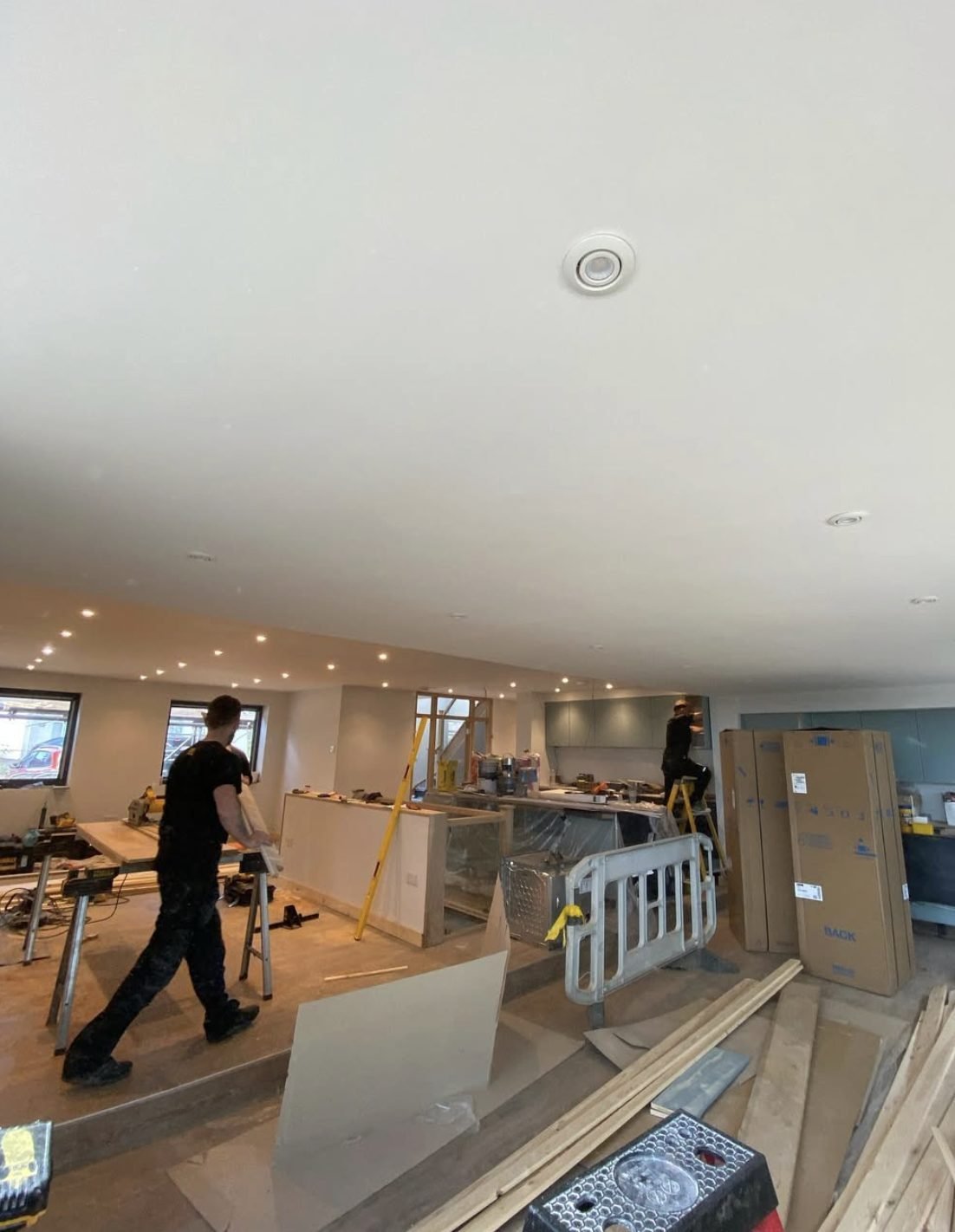
Spacing is the usual casualty, normally because somebody has defaulted to a uniform grid and put in twice what the room needed. Lighting a space well is a question of where the light falls, not how many apertures end up overhead. Positions go up in pencil for you to look at first, worked around the joists and held back from the perimeter where fittings do little except wash the wall.
The second problem is thermal. Sealed fittings with the driver bonded in mean the whole assembly is scrap the day the driver expires, and expire it will. Stuff insulation tight around them and that day arrives a great deal sooner. You will be told which compromise you are accepting rather than having the cheapest option fitted and discovering the consequence three years later.
Strip, plinth and concealed detail
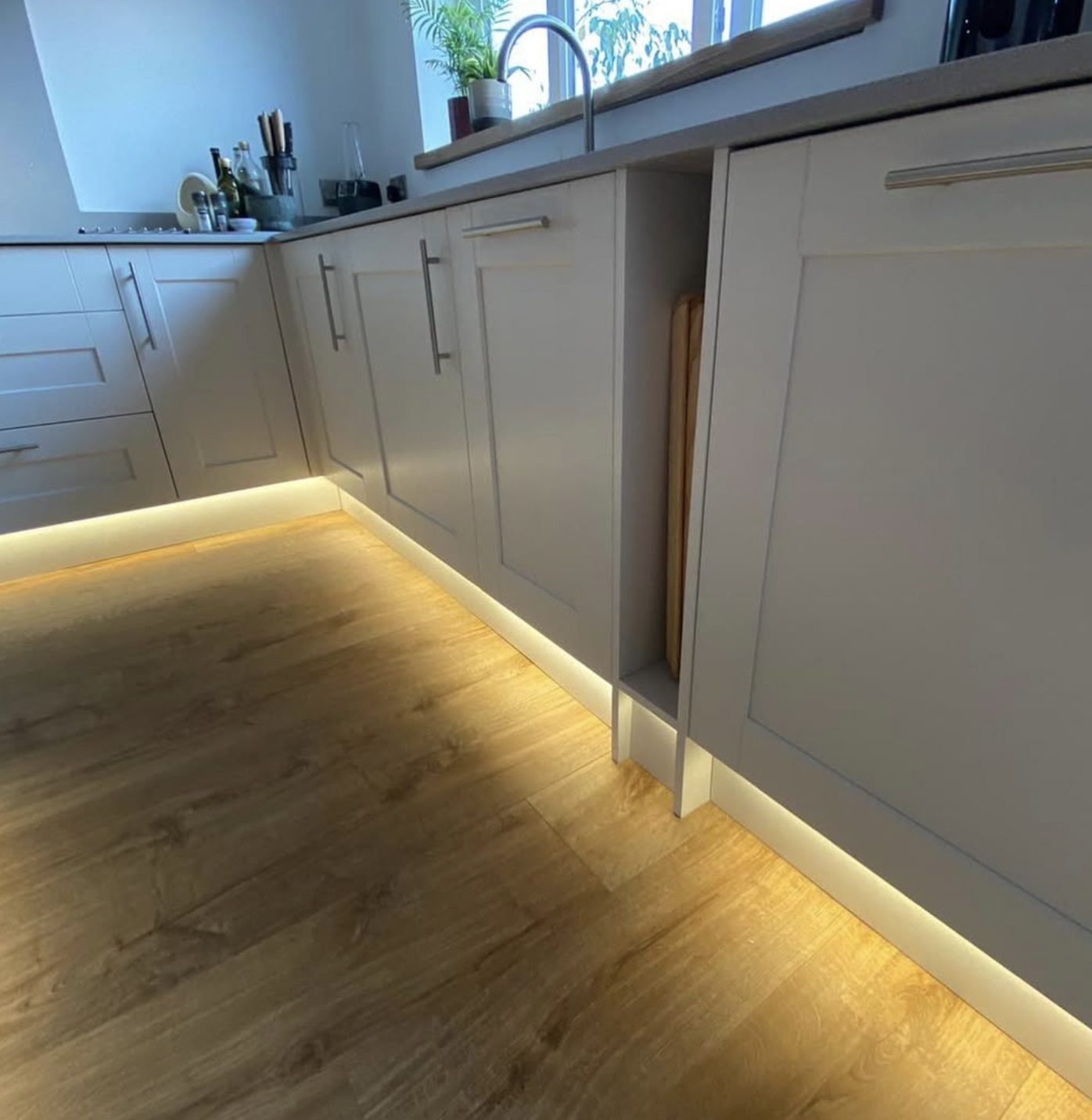
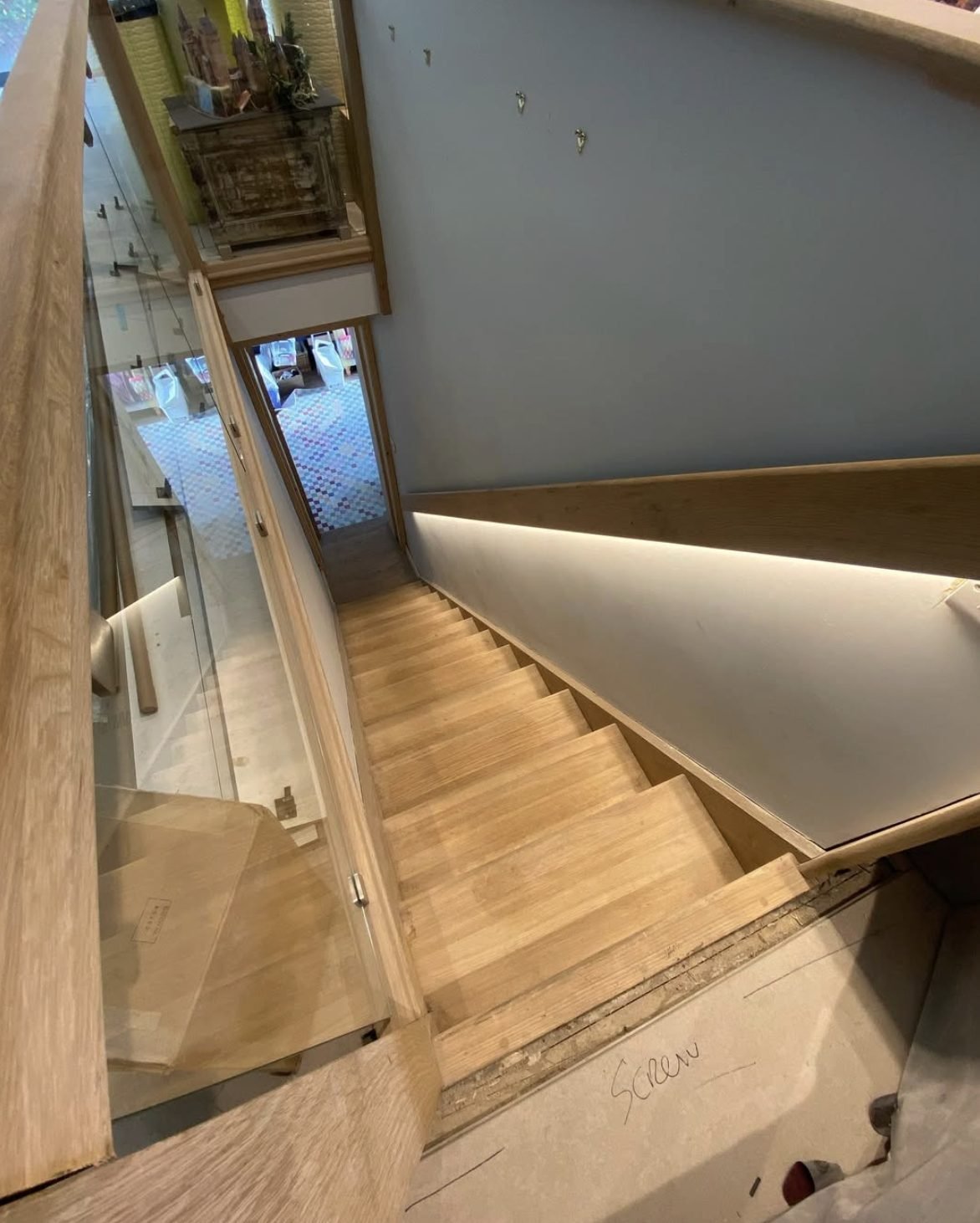
Concealed strip is what lifts a kitchen, a staircase or a run of shelving, and it is also the easiest thing to get wrong. Set too near the edge and you see a row of individual diodes reflected in the floor. Pushed back far enough and the light simply appears, with no visible origin anywhere.
Drivers need to live somewhere reachable, because the driver is the part that fails. Putting one behind a permanently fixed panel is storing up an argument for later. That gets planned in rather than discovered.
Outside, and the coast in particular
Anything outside deserves a circuit of its own and a daylight sensor rather than a clock, because a clock falls out of step as the evenings move and you spend the year adjusting it. Drive bollards, door lanterns, up-and-down wall fittings — none of it is difficult, and all of it turns out better when the cable route is agreed before the paving and planting arrive.
On the coast at Tynemouth, Cullercoats and Whitley Bay there is an extra factor. Salt-laden air is unkind to external fittings, glands and anything mounted on an exposed elevation, and a fitting specified for a sheltered inland garden will not last out there. Choosing properly for the location is the difference between ten years and two winters.
Lighting work we take on
- Ceiling layouts pencilled up before a hole is cut
- Concealed strip to plinths, coves and handrails
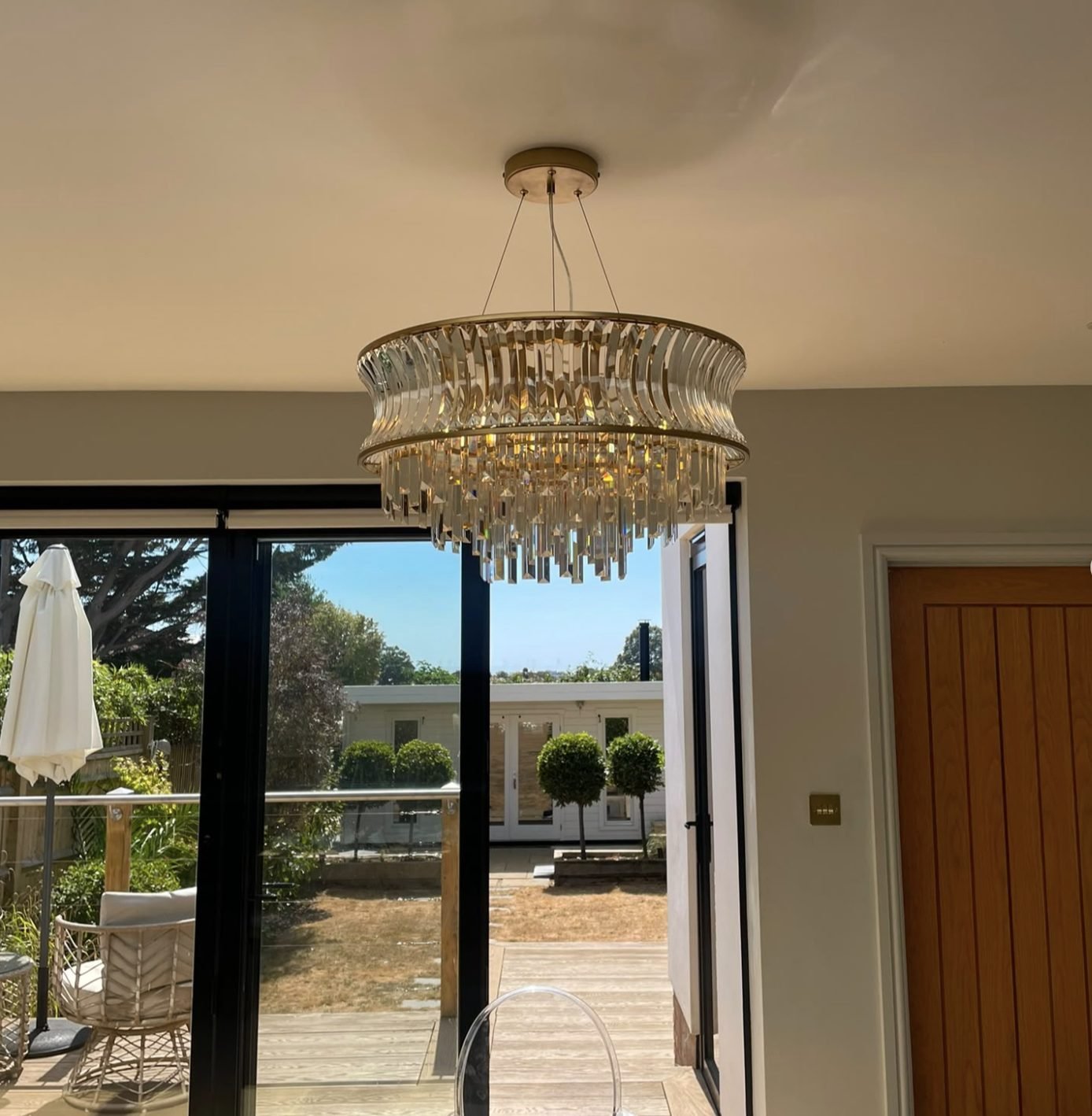
- Heavy pendants and chandeliers fixed to structure
- Extra switching, two-way and intermediate work
- Dimmers chosen against the lamps going in
- Lanterns, bollards and up-down wall fittings outside
- Daylight-sensing and movement-triggered switching
- Higher corrosion ratings for seafront elevations
How it runs
What actually happens
Understand the room
What happens in it, who uses it and when. That shapes a lighting scheme far more than anything in a manufacturer catalogue.
Mark the ceiling
Every position goes up in pencil for you to stand under and judge. Moving one now is nothing; moving one afterwards is a plasterer.
Put it in
Fittings hung, circuits pulled, anything heavy anchored into timber rather than board, and every driver left somewhere a hand can reach it later.
Set it up
Dimmers proved against the lamps that actually went in, sensors and daylight switches adjusted, and the lot tested before handover.
Recent projects
Jobs like this one
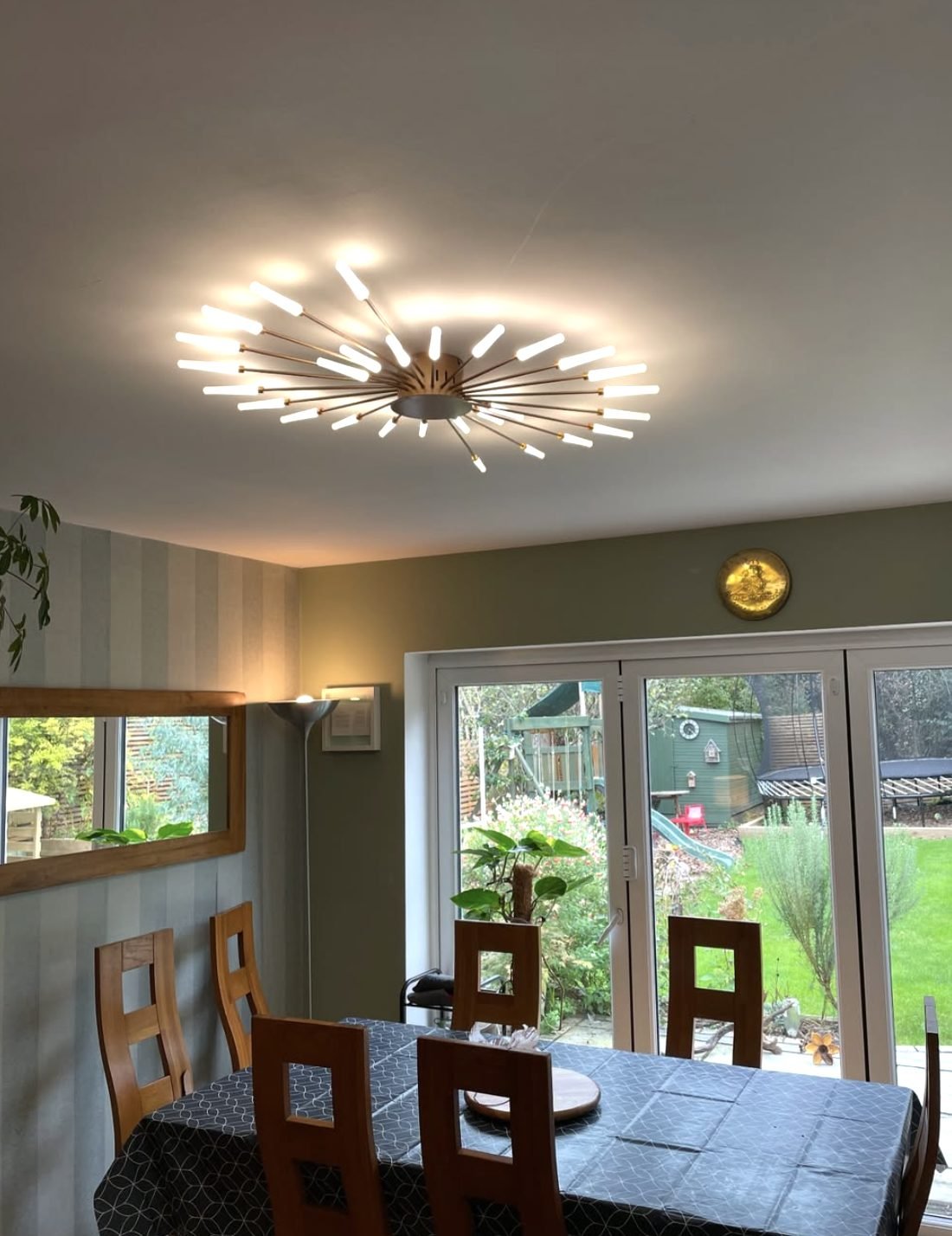
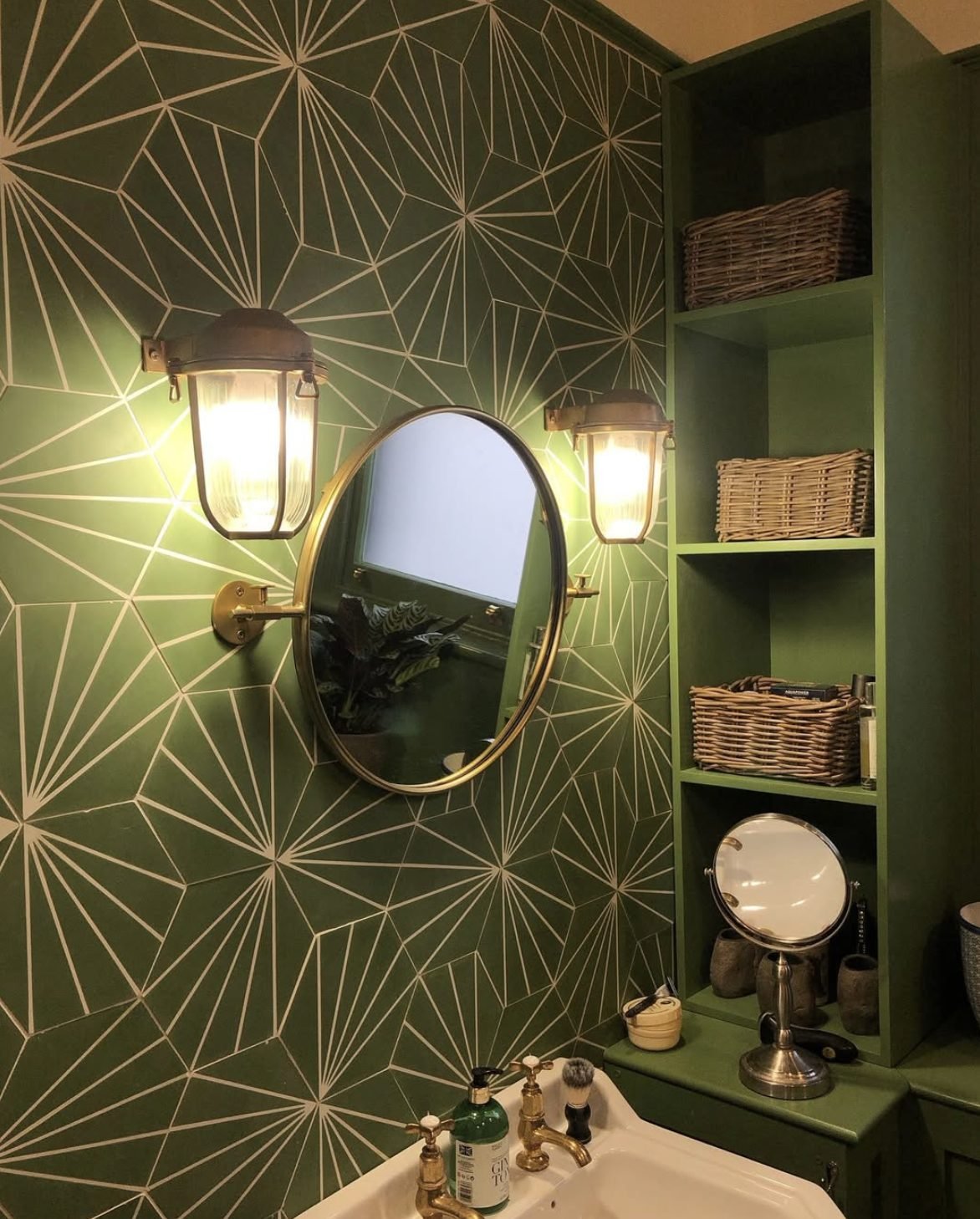
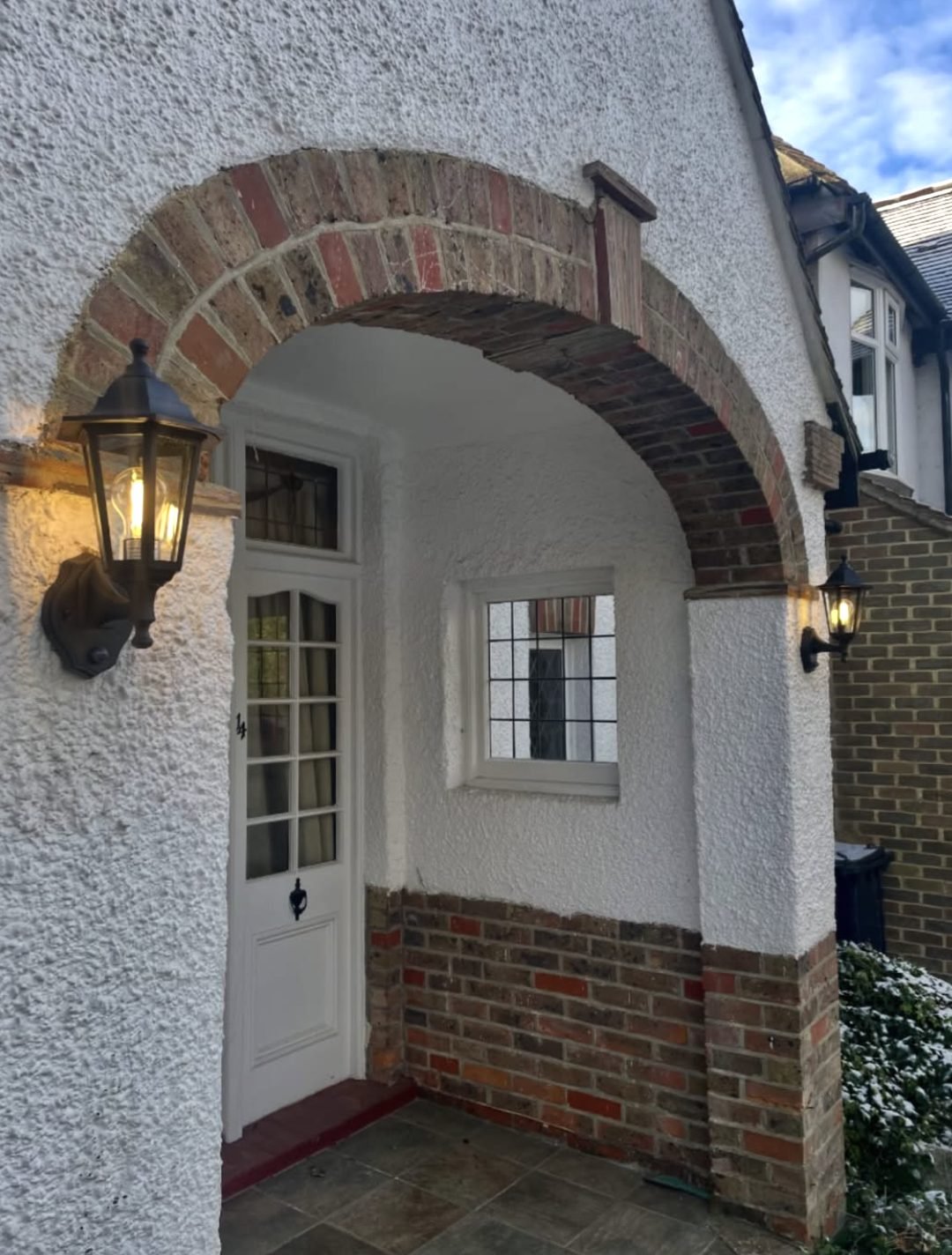
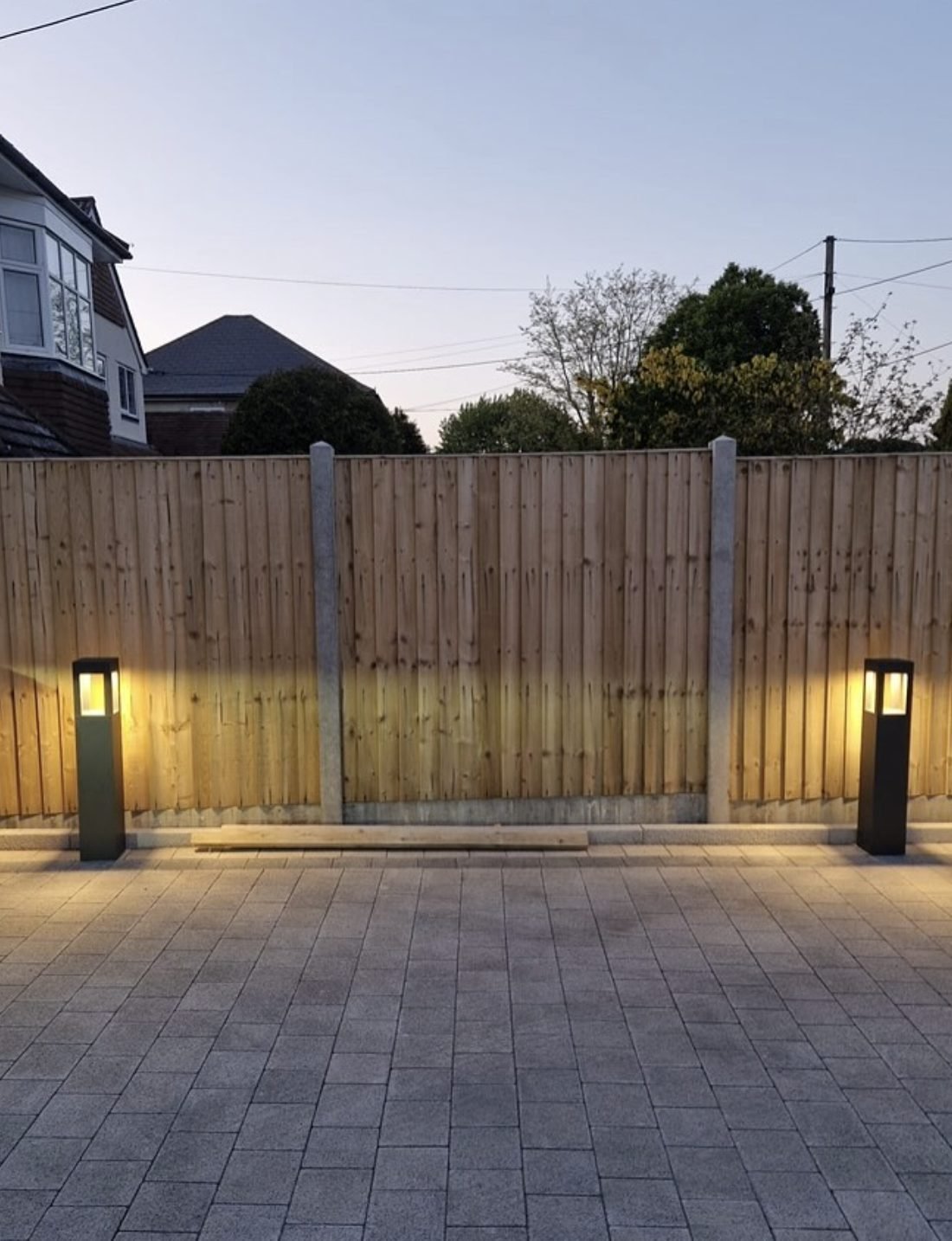
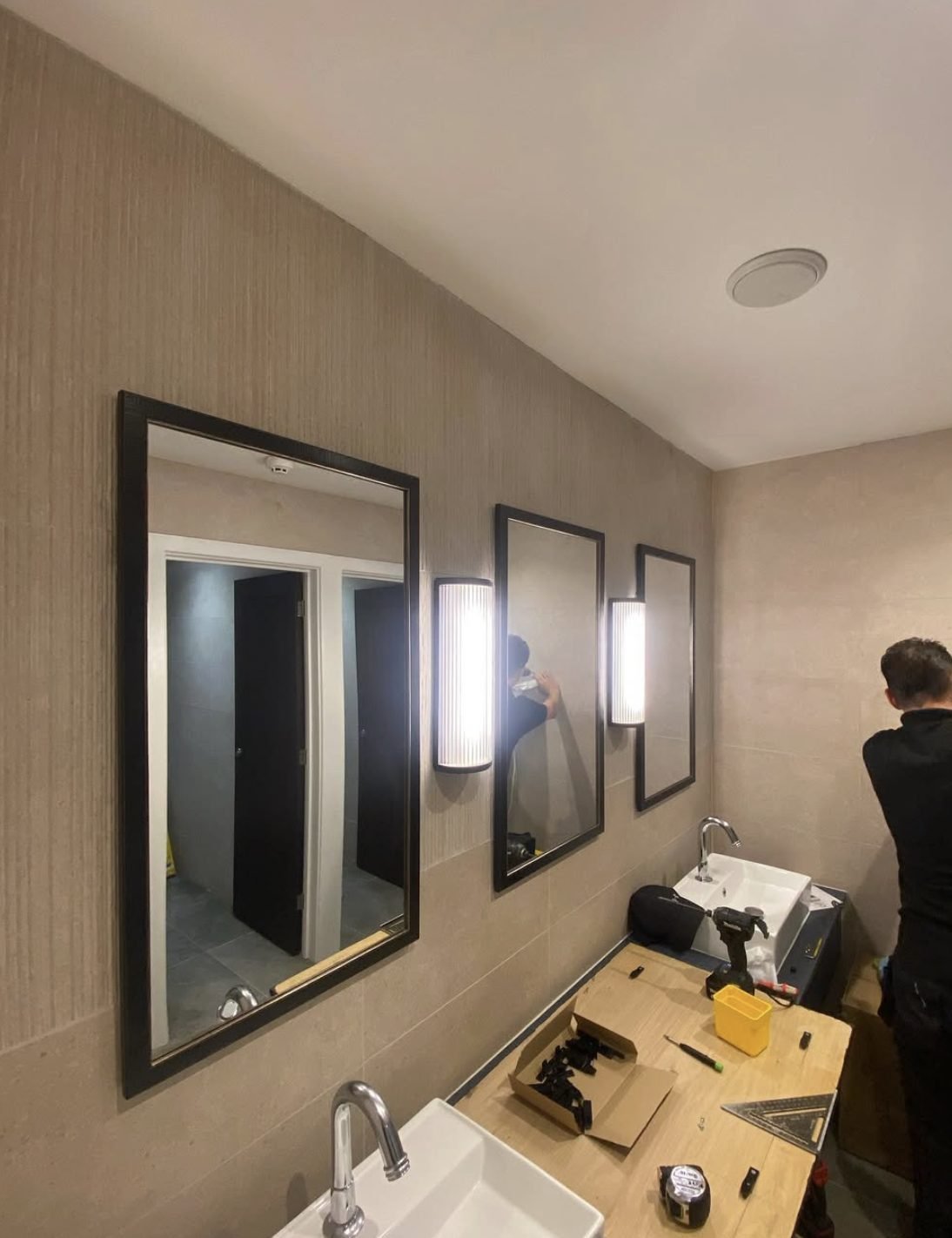
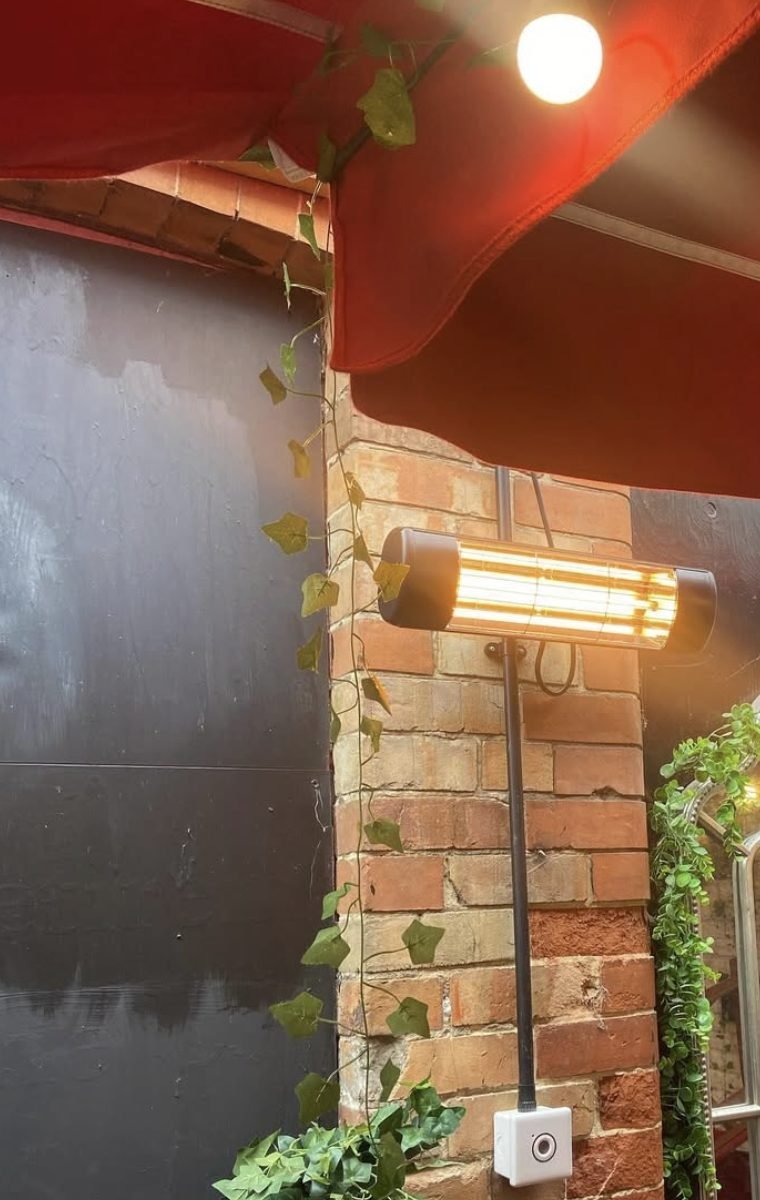
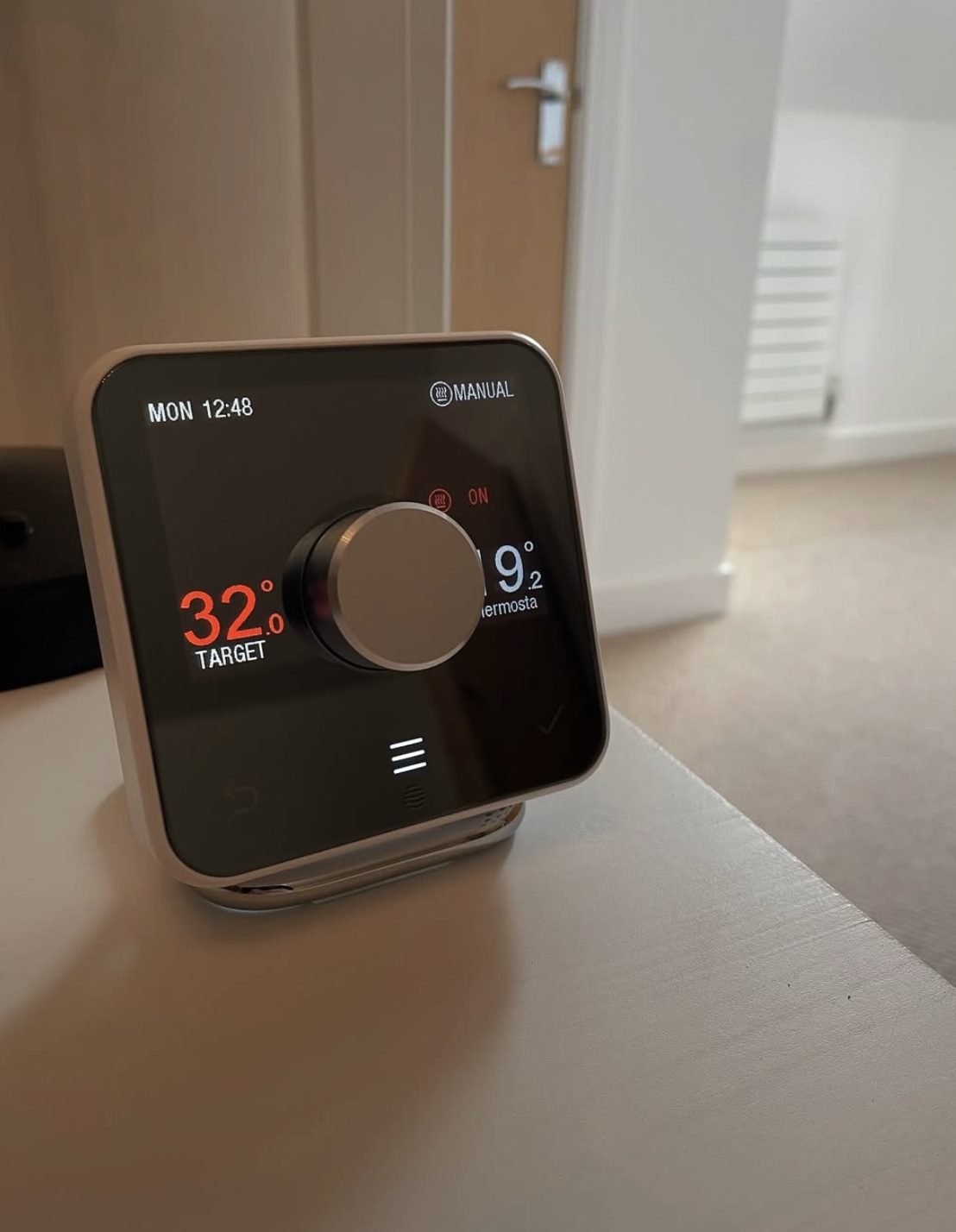
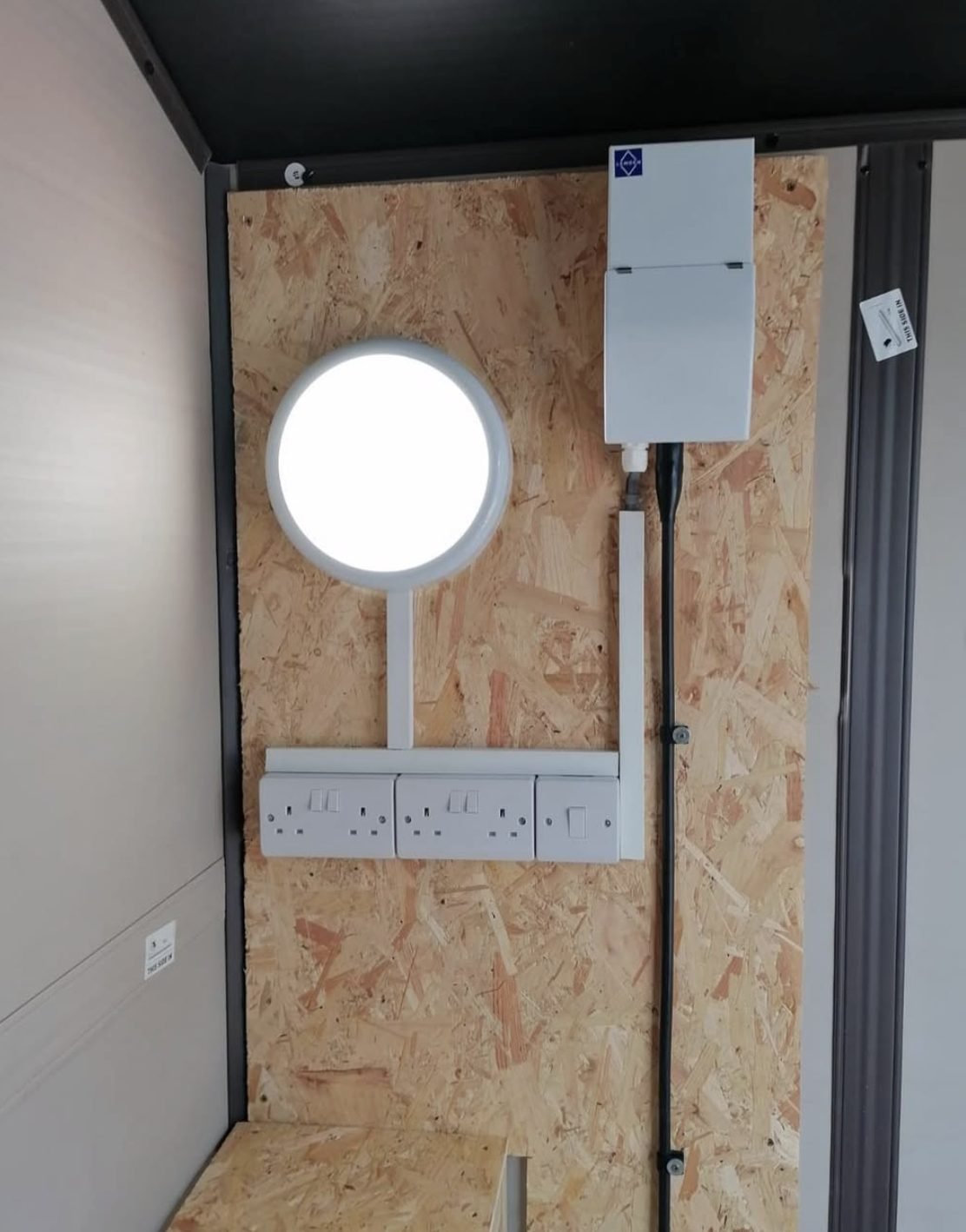
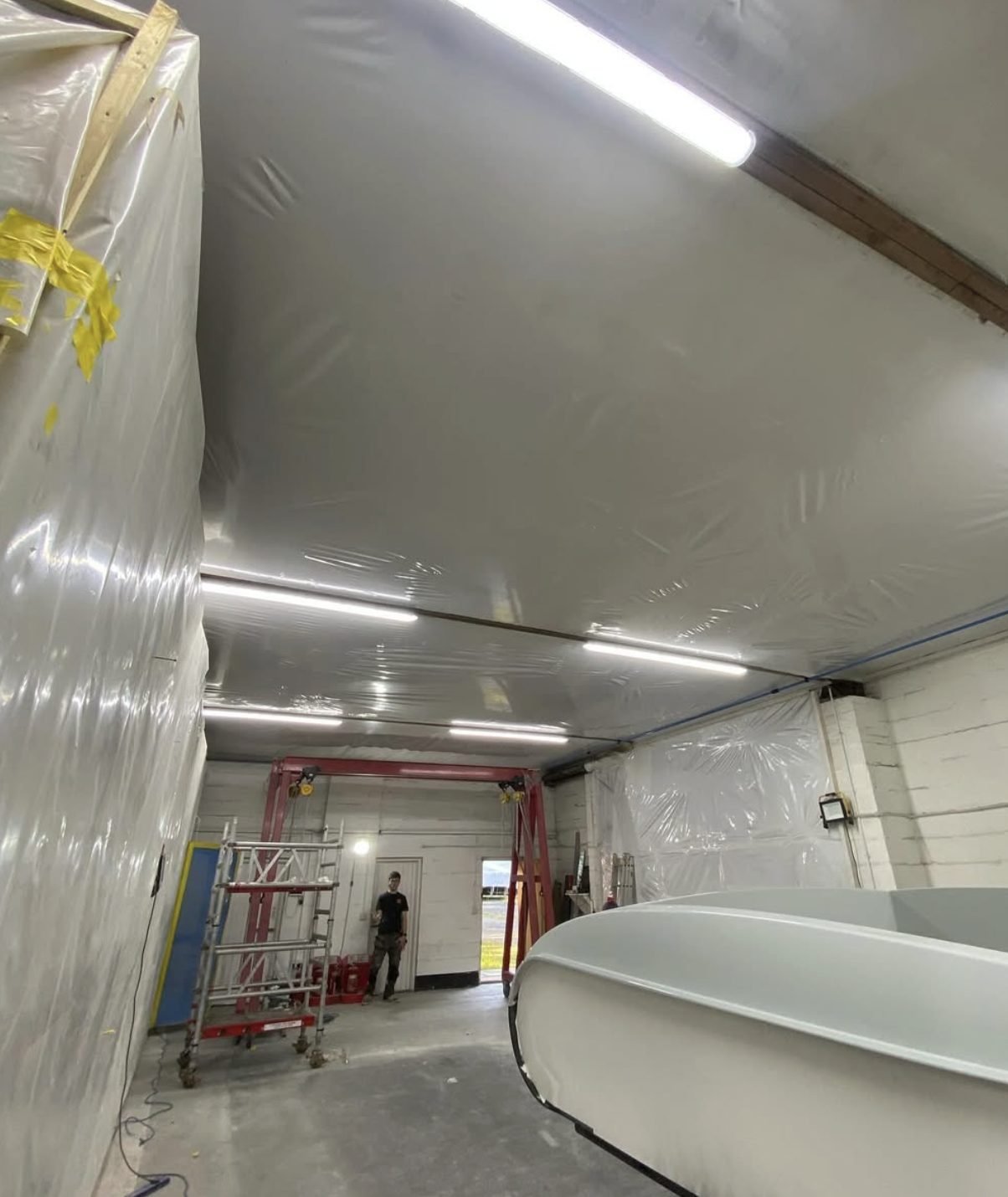
Taken on site the day each of these wrapped up.
FAQs
Asked about this a lot
How many downlights is the right number?
Fewer than most people assume. It comes down to ceiling height, the beam angle of the fitting and what the room is actually for, but a kitchen laid out well usually needs considerably less than the grid people picture. Positions get set out on site so you can look at them before anything is cut.
Can you hang a heavy chandelier?
Yes. The fixing is where these succeed or fail. Weight has to land on a joist or a noggin put in for the purpose, never on a plasterboard rose. Drop length gets set against the room and the furniture underneath rather than left at whatever came coiled in the packaging.
What keeps killing my LED downlights?
Nine times in ten it is the driver failing rather than the lamp, and integrated fittings bond the two together so the entire thing becomes scrap. Poor ventilation above the ceiling shortens driver life, and dimmers never matched to the lamps will finish them early. Worth diagnosing rather than replacing the same fitting twice.
Can outdoor lights come on automatically?
Yes, and a photocell beats a timer for anything you want on from dusk, because a timer drifts as the seasons move and you end up resetting it constantly. Sensors suit security lighting where you want it triggered rather than burning all evening.
Does coastal property need different fittings?
It does. Salt air attacks external fittings, glands and fixings at Tynemouth, Cullercoats and Whitley Bay in a way it simply does not a few miles inland. Specifying to a higher corrosion rating costs a little more up front and saves replacing the lot after two winters.
Do outdoor lights need their own circuit?
Usually worth it. Outdoor circuits are the ones most likely to develop a fault from water ingress over time, and keeping them on their own way means a problem outside does not take the indoor lighting with it.
Also worth a look
Other things we do
Get in touch
Get a price for this
If it is urgent, ring instead. If not, put as much in here as you can and something useful comes back — a number or a date, not a brochure.
Call the team0191 934 0119- CoveringNewcastle, Gateshead, North Tyneside and out to Ponteland, Cramlington, Blyth, Prudhoe and the coast at Tynemouth and Whitley Bay.
- FlatsTyneside flats a speciality — shared stairs, split supplies and meters that live in somebody else's cupboard.
- LandlordsInspection reports, multi-let certification, remedials and appliance testing across a portfolio.
- UrgentAnything that has already failed wants a phone call. We can be on the road and walking you through isolation on the same call.
Send the details
The more you put in here, the tighter the figure we can come back with.
Electrician To Your Door
Planning a room or a whole property?
Speak to us while the ceiling is still open. Cheaper to do, and a noticeably better result.