Trade and premises
Commercial
Electrician
Newcastle
Fit-outs, maintenance, emergency lighting and periodic testing for bars, salons, shops, offices and units, phased around the hours you are actually shut.
Disruption is the real cost
For most commercial customers the invoice is not the expensive part. Closing for a day is. A bar that cannot open on a Friday, a salon turning away a full book, a unit standing idle while somebody works overhead — that is where the money goes, and it is the thing quotes tend to ignore entirely.
So the first conversation is about your hours rather than our diary. Noisy and disruptive work gets pushed into the times you are closed wherever the job allows it. Where a full shutdown genuinely cannot be avoided we tell you at the quoting stage so you can plan for it, instead of discovering it on the morning.
What we take on
Bar and restaurant fit-outs, including the bits people forget until late — under-bar power, cellar and coldroom supplies, extraction, outdoor seating with heat and festoon lighting. Retail and salon work where the lighting is doing a selling job as much as an illuminating one. Offices, workshops and industrial units where distribution, three-phase and machine supplies come into it.
Alongside that there is the ongoing side: emergency lighting installation and the monthly and annual testing that goes with it, periodic inspection of the fixed installation, appliance testing, and the general maintenance that keeps a premises from accumulating small faults until one of them becomes a closure.
Emergency lighting and the paperwork
Emergency lighting is the requirement most often let slip, usually because it works silently until the day it does not. The system needs a short function test monthly and a full duration test annually, both recorded in a logbook that an inspecting officer or your insurer can ask to see.
We can install, take over an existing system, carry out the testing and keep the records straight. If you have inherited a premises with no logbook and nobody sure when anything was last checked, that is an extremely common starting point and not a difficult one to fix.
Landlords and licensing
Commercial premises carry a duty to maintain the installation in a safe condition, and in practice most insurers and most licensing conditions expect periodic inspection as the evidence of it. Getting that in place before a renewal or an inspection is considerably less stressful than doing it afterwards under a deadline.
Commercial work we cover
- Bar, restaurant and cafe fit-outs
- Retail, salon and studio installations
- Office and workshop lighting and power
- Three-phase distribution and machine supplies
- Cellar, coldroom and extraction supplies
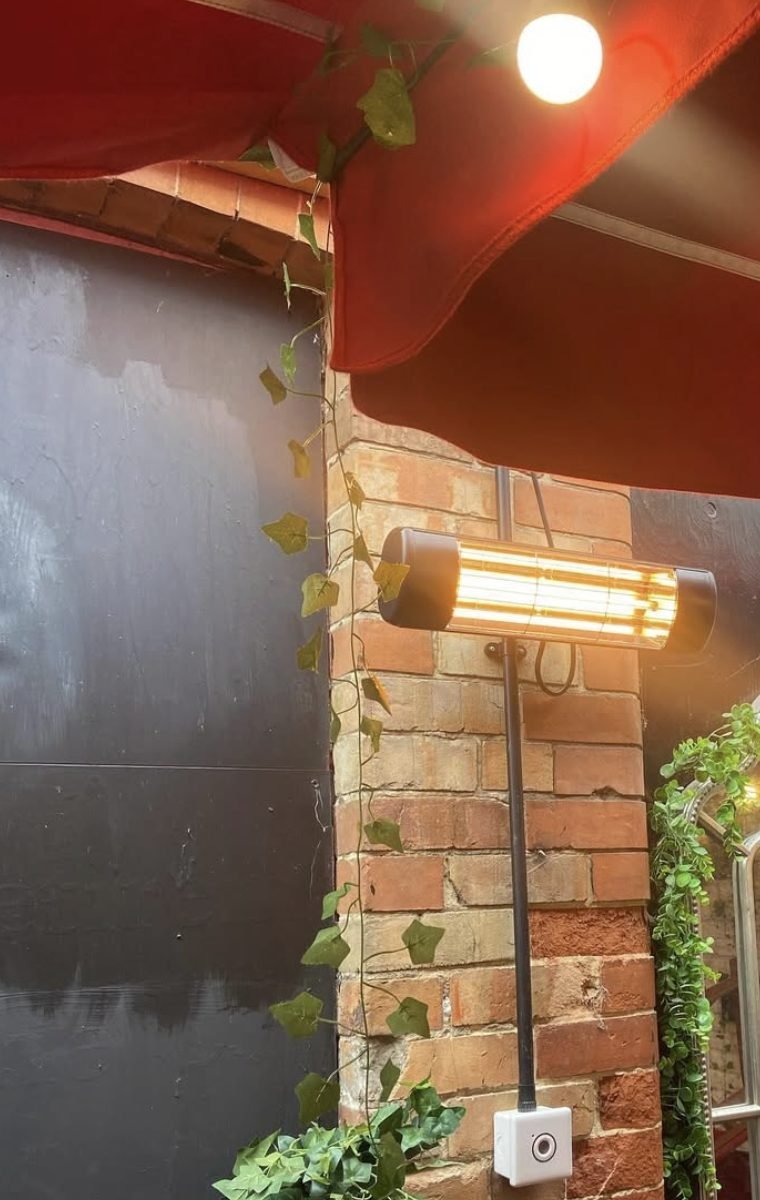
- Outdoor seating, heating and festoon lighting
- Emergency lighting install and testing
- Periodic inspection and appliance testing
- Planned and reactive maintenance
- Work phased around your trading hours
How it runs
What actually happens
Talk hours first
Before anything else we establish when you are closed and what a shutdown would actually cost you. That shapes the whole programme.
Survey and quote
We look at the premises, the existing installation and the supply, then quote against a programme rather than a vague number of days.
Work to the plan
Disruptive work lands in the windows agreed. If something changes you hear about it from us before it affects you.
Certify and record
Testing completed, certification issued and logbooks set up so the paperwork stands up when somebody asks to see it.
Recent projects
Jobs like this one
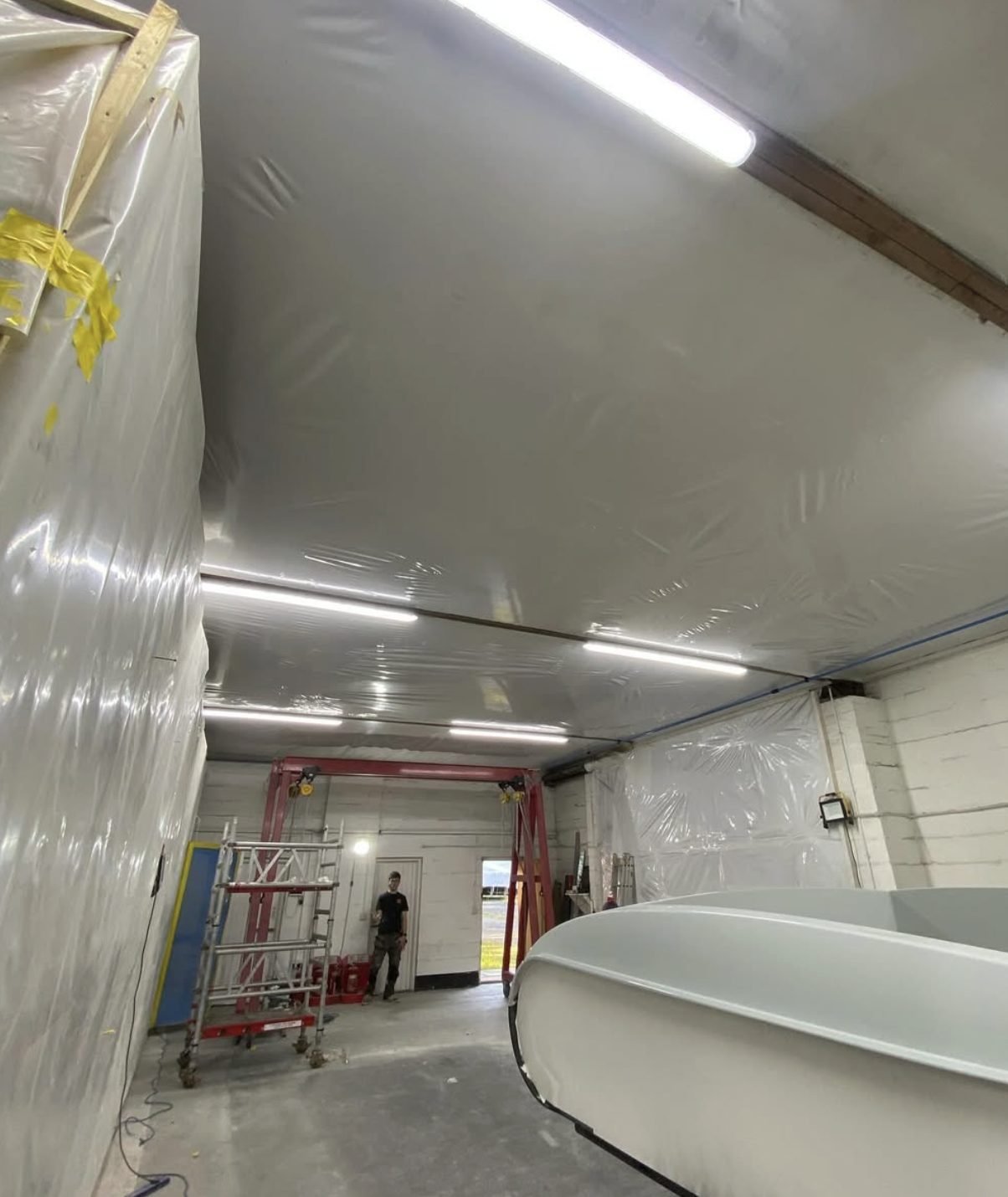
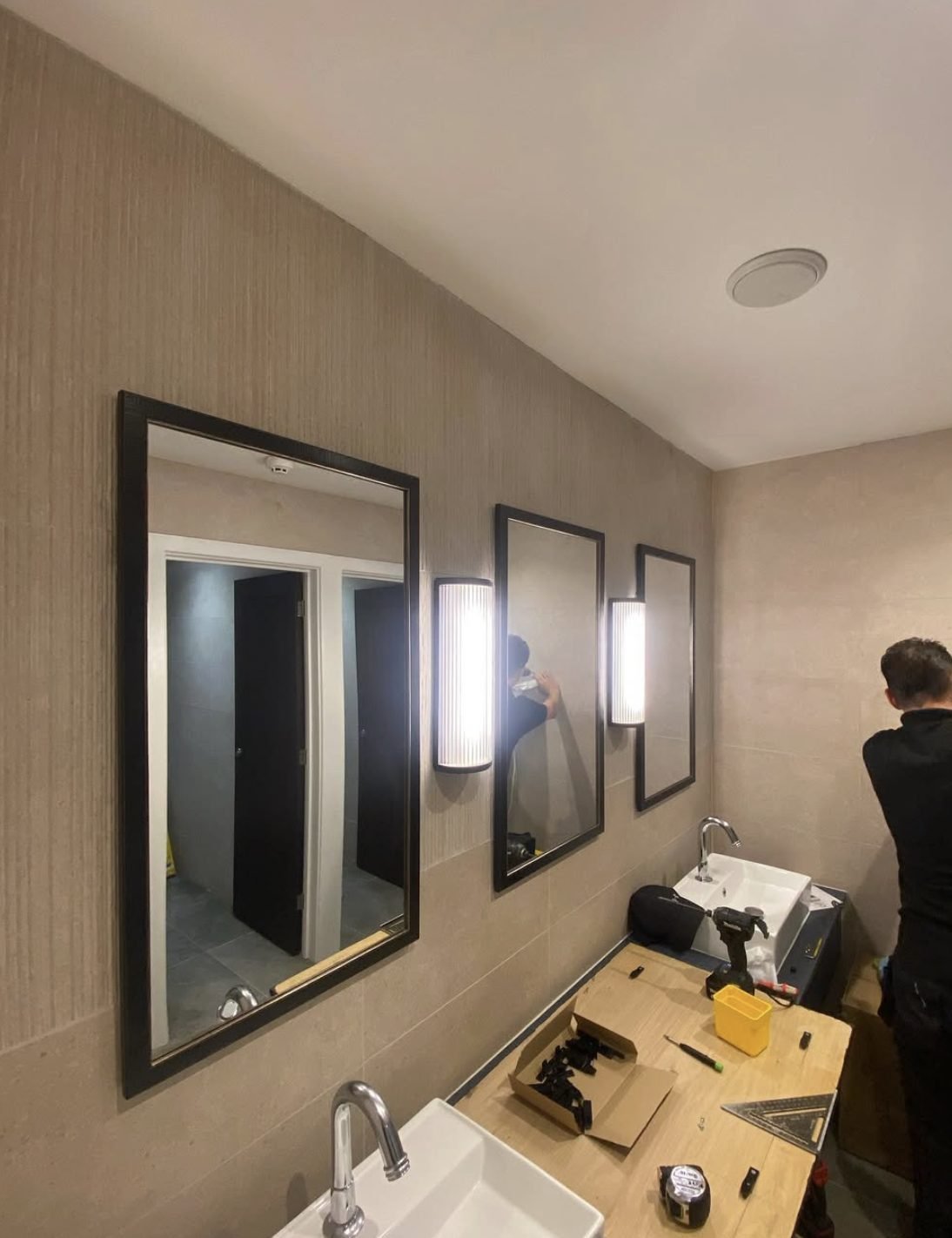
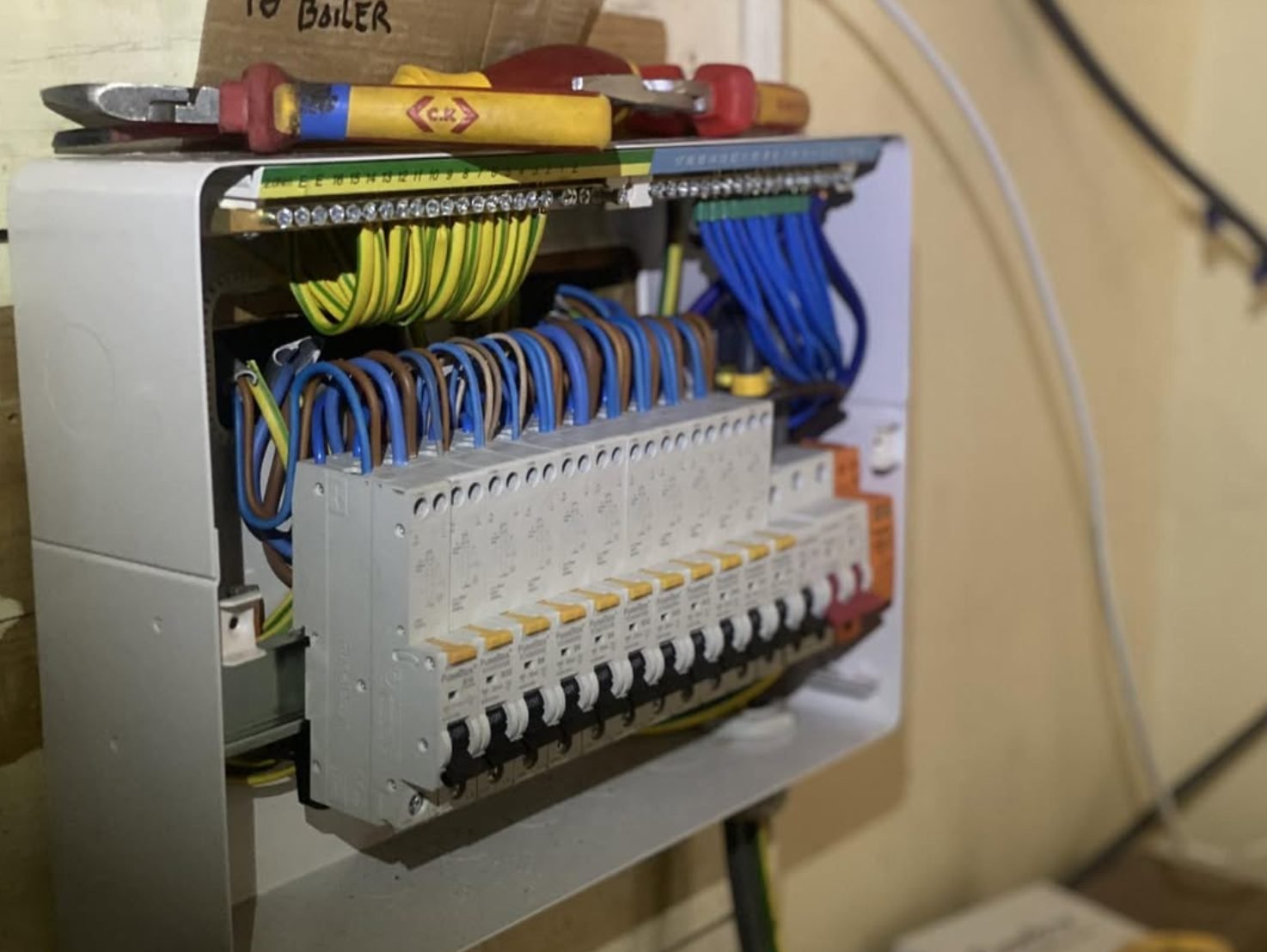
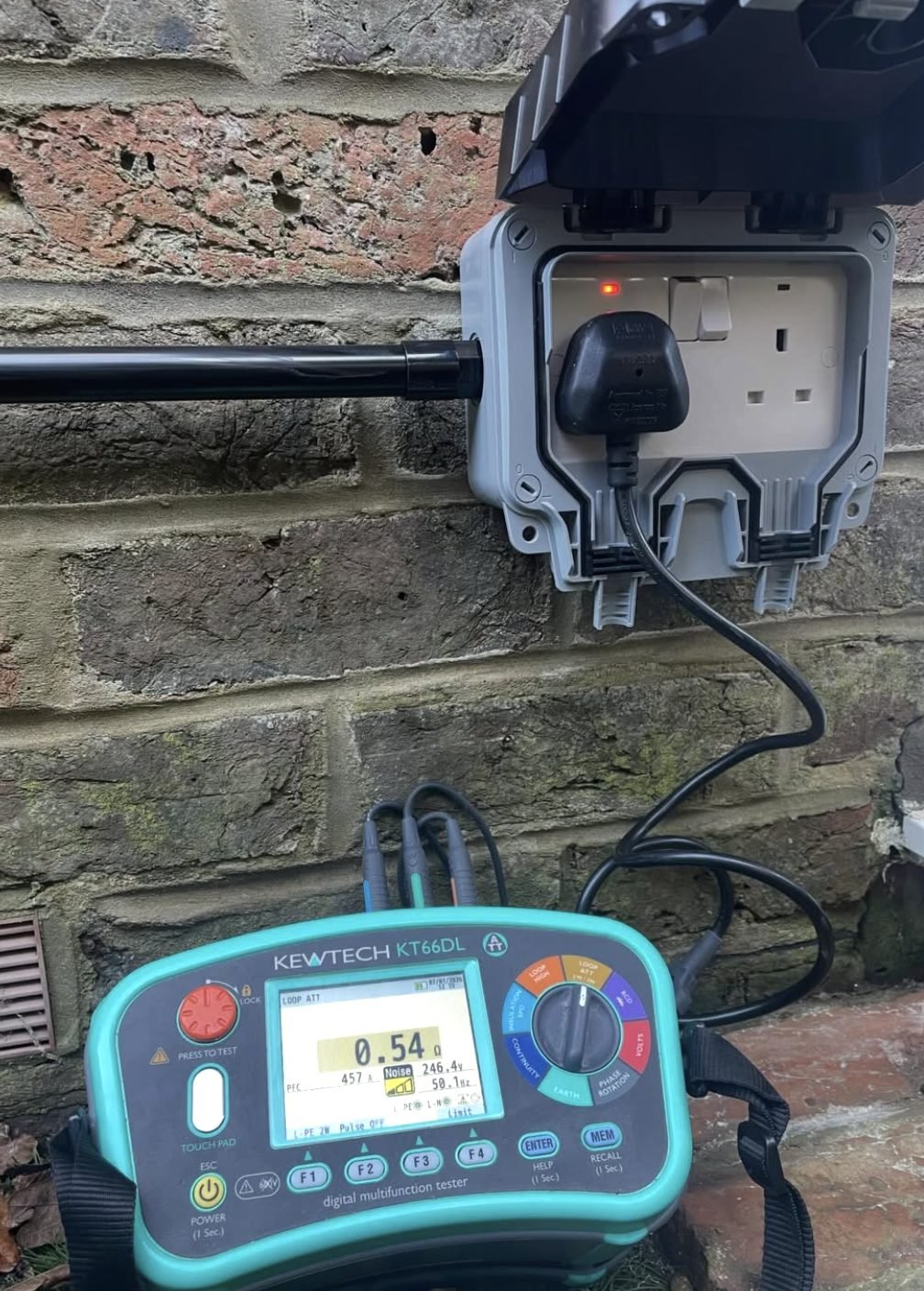
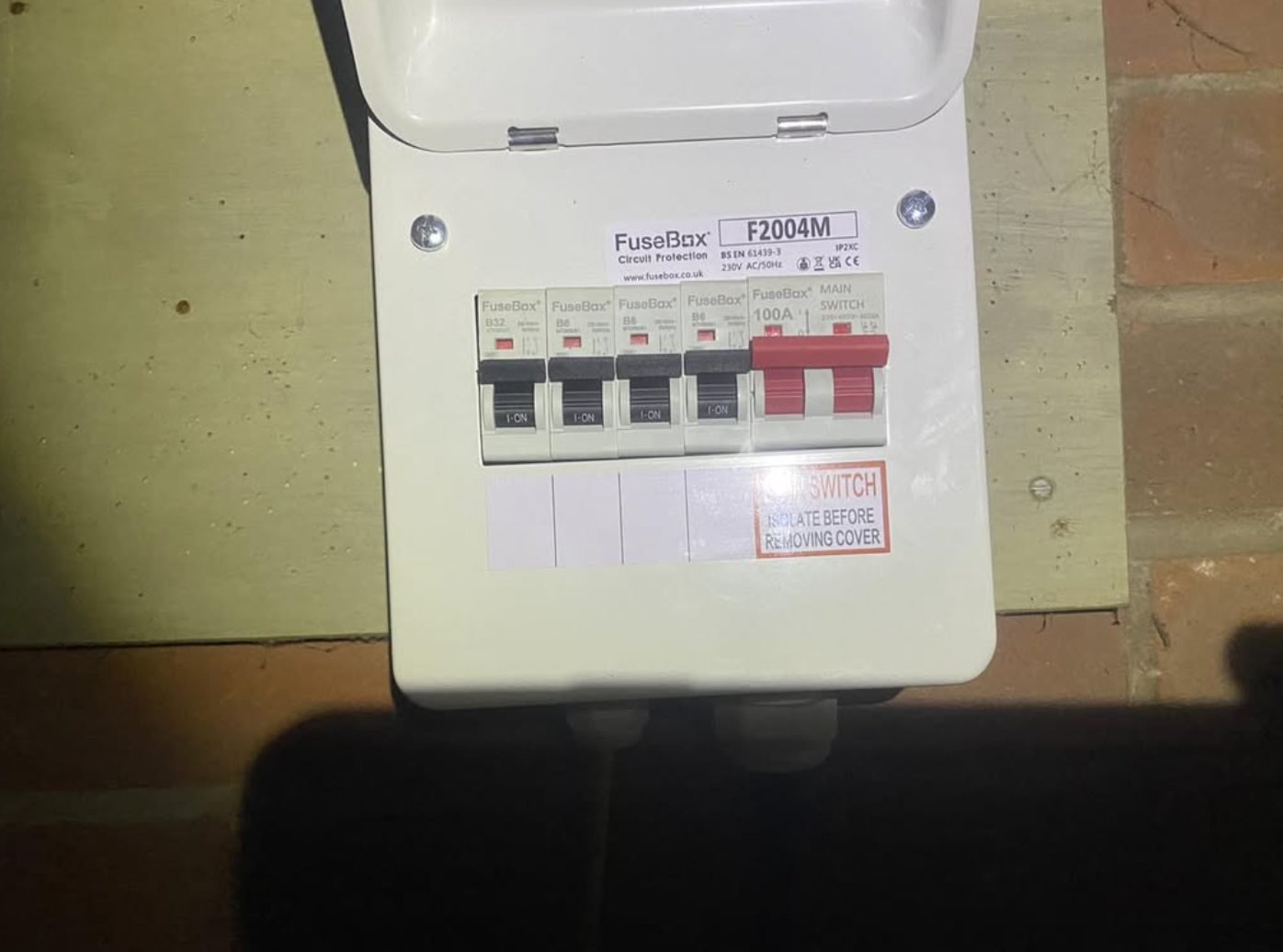
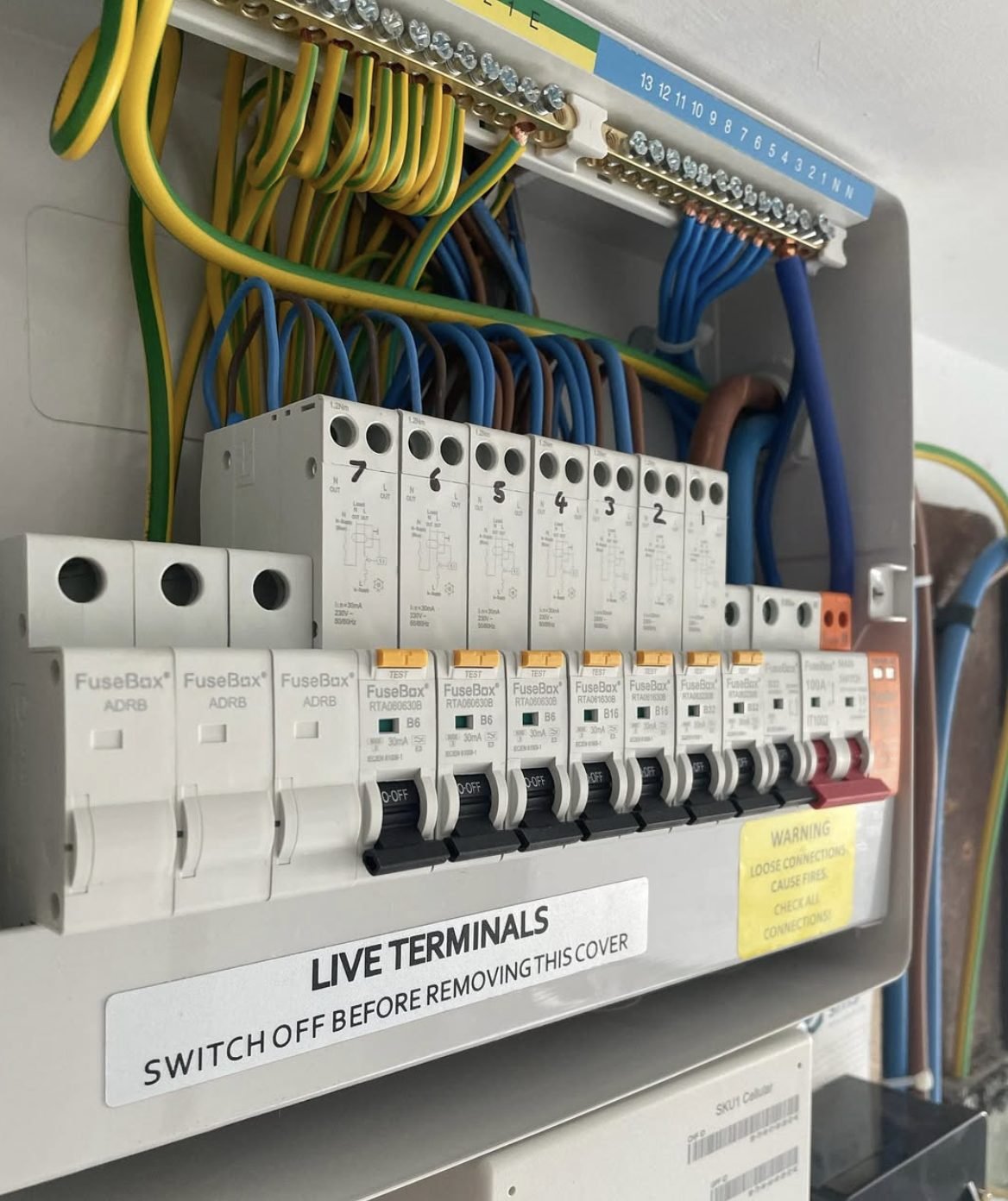
Taken on site the day each of these wrapped up.
FAQs
Asked about this a lot
Can you work outside trading hours?
Yes, and for most premises that is the sensible way round. Early mornings, evenings and closed days all work. It costs more per hour than a weekday afternoon but usually far less than closing, and you get told which way the sums fall before committing.
Do you handle three-phase?
Yes. Distribution boards, machine supplies, motor circuits and the associated protection. If you are adding equipment it is worth checking the existing supply will carry it before the machinery arrives rather than after it is sat on the floor.
How often does emergency lighting need testing?
A short function test monthly and a full duration test annually, both recorded. The logbook matters as much as the testing, because it is the part anybody inspecting will ask to see. We can take over an existing system and get the records straight from whatever state they are in.
What does a commercial premises need legally?
There is a duty to maintain the installation in a safe condition, and periodic inspection is how that is normally evidenced. Most insurers and many licensing conditions expect it. The interval depends on the type of premises and we will tell you what applies to yours.
Can you take on maintenance rather than one-off jobs?
Yes, and for anything customer-facing it works out better. Small faults get picked up before they become a closure, and having somebody who already knows the installation saves a great deal of time when something does fail on a busy evening.
We are fitting out a new unit. When should you be involved?
As early as possible. Once the layout and the equipment schedule exist, the electrical design can be settled properly. Being brought in after the ceiling grid is up and the bar is built is where the expensive compromises start.
Also worth a look
Other things we do
Get in touch
Get a price for this
If it is urgent, ring instead. If not, put as much in here as you can and something useful comes back — a number or a date, not a brochure.
Call the team0191 934 0119- CoveringNewcastle, Gateshead, North Tyneside and out to Ponteland, Cramlington, Blyth, Prudhoe and the coast at Tynemouth and Whitley Bay.
- FlatsTyneside flats a speciality — shared stairs, split supplies and meters that live in somebody else's cupboard.
- LandlordsInspection reports, multi-let certification, remedials and appliance testing across a portfolio.
- UrgentAnything that has already failed wants a phone call. We can be on the road and walking you through isolation on the same call.
Send the details
The more you put in here, the tighter the figure we can come back with.
Electrician To Your Door
Premises needing attention?
Tell us your trading hours first. That shapes the programme more than anything else.